


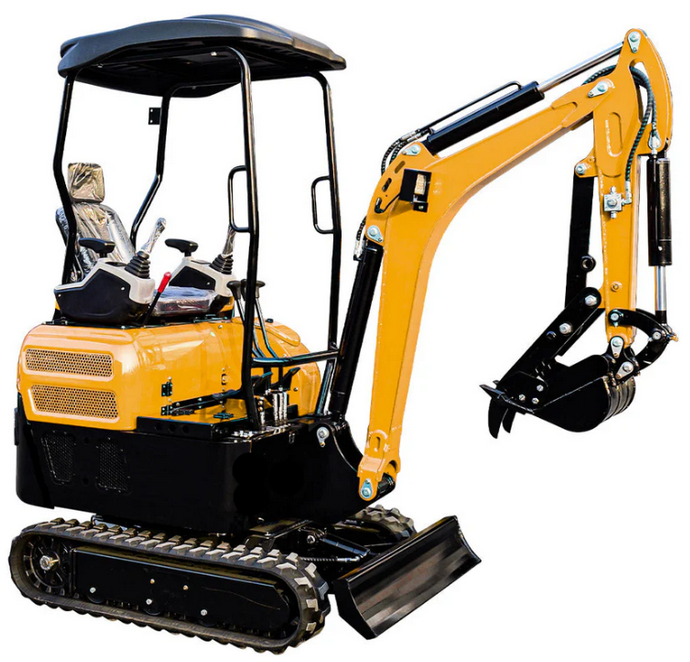
A 2 ton mini excavator is one of the most practical machines for contractors, landscapers, property owners, and small construction teams that need real digging power without the size or cost of a full-scale excavator. It is compact enough for residential areas, narrow access points, garden projects, small foundations, utility trenching, and farm work, yet strong enough to handle daily excavation tasks with better speed and precision than manual labor. The MMS MS20 is designed around this balance. With a Kubota diesel engine, hydraulic pilot control, compact tracks, and useful attachments, it gives operators a dependable machine for job sites where space, fuel use, mobility, and control matter.
What Is a 2 Ton Mini Excavator?
A 2 ton mini excavator is a compact tracked digging machine built for smaller job sites, tight spaces, and medium-duty earthmoving work. Unlike large excavators used for major infrastructure or heavy demolition, this machine is easier to transport, easier to maneuver, and more affordable to operate. It is commonly used for digging trenches, removing soil, grading land, clearing brush, installing drainage lines, preparing small foundations, and working around homes, farms, and commercial properties.
The MMS MS20 is listed with an operating weight of 4,409 lbs and a machine weight of 3,450 lbs, placing it in the compact excavator category while still offering practical working capability. Its product specification also lists a Kubota D902 diesel engine, 11.8 kW rated power, and a maximum digging depth of 2,060 mm.
Why Choose a 2 Ton Mini Excavator Diesel?
A 2 Ton Mini Excavator Diesel is useful when a project requires more power than a micro excavator but still needs compact movement. Diesel engines are widely preferred in construction equipment because they offer torque, durability, and efficient performance under load. For digging, lifting, grading, and attachment work, steady engine output helps the operator maintain consistent performance throughout the day.
The MMS MS20 uses a Kubota D902 diesel engine with a three-cylinder, water-cooled design. MMS lists the engine output as 11.8 kW at 2300 rpm and describes the machine as built for strong power, low fuel consumption, and stable operation. That combination matters for users who want a machine that can dig repeatedly, operate attachments, and move soil without feeling oversized for the job.
Key Features of the MMS MS20 Mini Excavator
The MMS MS20 is not just about size. It is built with practical features that support productivity, maintenance, and operator control.
Kubota Diesel Engine
The engine is one of the strongest selling points. Kubota diesel engines are commonly valued in compact construction equipment for dependable performance and serviceability. The MS20 product specification lists a Kubota D902 diesel engine, 3-cylinder water-cooled configuration, and 11.8 kW rated power. For small contractors, this means the machine has enough strength for trenching, grading, and attachment-based work.
Hydraulic Pilot Control
Hydraulic pilot control helps improve machine response and makes operation smoother. For digging near buildings, fences, utilities, landscaping features, or existing structures, controlled movement matters. A smoother control system can reduce operator fatigue and help improve accuracy when placing the bucket, lifting soil, or shaping a work area.
Compact Track Design
A 2 ton mini excavator works well in narrow areas because it can travel over uneven ground while distributing weight through its tracks. MMS lists a total track length of 1545 mm, track width of 180 mm, and track gauge of 920 mm for the MS20. This track setup helps the machine stay compact while providing the stability needed for residential or agricultural sites.
Useful Bucket and Included Tools
The standard package includes one mini excavator, a thumb clip, a narrow bucket, and a tool box. These included items help users start with core digging and gripping tasks, while optional attachments can extend the machine’s usefulness for specialized work.
Main Applications of a 2 Ton Mini Excavator
A 2 ton mini excavator can be used in many industries because it combines digging force, compact movement, and attachment options. Many buyers choose this size because it can serve several types of work.
Common applications include:
- Residential excavation for small foundations, patios, and drainage work
- Landscaping projects such as garden shaping, tree removal, and soil leveling
- Trenching for water lines, electrical lines, irrigation, and drainage pipes
- Fence post and pole installation with an auger attachment
- Farm work, including ditch cleaning, small pond edges, and material handling
- Brush, root, and stump removal using rake or grapple attachments
- Light demolition and concrete breaking with a hammer attachment
- Driveway, pathway, and yard preparation
- Utility repair work in tight access areas
- Rental fleet use for homeowners and small contractors
Performance and Digging Capacity
Performance should be evaluated by looking at size, engine power, digging reach, digging depth, and hydraulic capability together. The MMS MS20 offers a maximum digging depth of 2,060 mm, maximum digging height of 2,580 mm, maximum dumping height of 1,637 mm, and maximum digging radius on the ground of 2,075 mm. Its bucket capacity is listed as 0.025 cbm/120 kg, with a 380 mm bucket width.
These figures show that it is built for real excavation work while still staying compact. Digging depth is important for drainage, utility lines, small retaining structures, and landscape features. Dumping height matters when loading soil into a small trailer or placing material away from the trench. Rotation radius helps determine how comfortably the machine can work in restricted areas.
Benefits for Contractors, Farmers, and Property Owners
The biggest benefit of a compact machine is flexibility. A larger excavator may be powerful, but it can damage lawns, require more transport planning, and struggle in confined spaces. A compact model solves many of these problems.
For contractors, the benefits include faster job completion, better access to residential properties, and the ability to take on small jobs without hiring larger equipment. For landscapers, it supports grading, digging, planting preparation, and hardscape installation. For farmers, it can help with drainage ditches, fence lines, brush removal, and general property maintenance.
Practical benefits include:
- Easier transport compared with larger excavators
- Lower operating cost for small and medium jobs
- Better access through narrow job sites
- Reduced ground disturbance when used properly
- Attachment compatibility for multiple tasks
- Improved productivity over manual digging
- More control for detailed excavation work
What to Consider Before Buying
Before buying any compact excavator, compare the machine against your actual job requirements. The right decision depends on the type of work, ground conditions, digging depth, attachment needs, transport method, and service support.
Start with the jobs you perform most often. If your work includes trenching, landscaping, small construction, farm maintenance, and brush removal, this size class makes sense. If you regularly perform deep foundation excavation, large demolition, or heavy road construction, you may need a larger machine.
Also consider unloading and delivery. MMS notes that this machine requires a forklift to unload, and buyers without a forklift are advised to email the company for unloading support. This is important because many first-time equipment buyers focus on the machine itself but overlook receiving and handling requirements.
Support is another key factor. MMS lists free U.S. shipping, a 1-year warranty, lifetime technical support, and pickup availability through its warehouses. These details can help buyers feel more confident, especially when purchasing equipment online.
Attachments That Increase Machine Value
Attachments can turn a compact excavator into a multi-purpose machine. MMS mentions options such as a grapple and bucket for lifting branches, an auger for fence posts, a ripper for loosening soil, a hammer for concrete and asphalt, a rake for brush and roots, and a quick hitch for faster attachment changes.
This is important because many buyers do not use their excavator only for digging. A landscaping company may need to remove small stumps one day and drill post holes the next. A farm owner may need to clean a ditch, move brush, and repair a fence line in the same week. Contractors may need to break small concrete areas, dig trenches, and load soil.
How to Use the Machine Efficiently
Efficient operation starts with planning the job site. Before digging, mark underground utilities, check soil conditions, and define the working area. Operators should inspect the machine, check fluids, review track condition, test controls, and make sure attachments are secure.
For trenching, dig gradually instead of forcing the bucket. Use steady movements, keep the machine stable, and avoid overreaching when lifting material.
Maintenance also affects efficiency. Clean the machine after dusty or muddy jobs, inspect hydraulic hoses, check grease points, and monitor the display for performance information. Small daily checks help prevent major problems later.
Cost, Value, and Long-Term Ownership
When evaluating cost, look beyond the purchase price. The real value comes from productivity, fuel use, maintenance, attachment flexibility, warranty support, and the number of jobs the machine can complete. A lower-priced machine is not always the best choice if it lacks support, parts access, or dependable engine performance.
The MMS product listing shows sale pricing and package options, but buyers should always check the official page for current availability, shipping details, and updated pricing. A well-selected 2 ton mini excavator can pay for itself through saved labor, faster job completion, added services, and reduced rental needs. For businesses, the machine is not just an equipment purchase. It is a productivity tool that can expand what the team is able to offer.
FAQ
1. What jobs can a 2 ton mini excavator handle?
It can handle trenching, landscaping, digging, grading, fence post preparation, drainage work, small foundation tasks, brush removal, farm maintenance, and light demolition when paired with the right attachments.
2. Is a 2 Ton Mini Excavator Diesel good for landscaping?
Yes. A 2 Ton Mini Excavator Diesel is well suited for landscaping because it can work in tighter spaces, dig planting areas, shape soil, remove roots, prepare patios, and support attachment-based work without needing a large excavator.
3. How deep can the MMS MS20 dig?
The MMS MS20 specification lists a maximum digging depth of 2,060 mm, making it useful for many small and medium excavation tasks such as drainage trenches, utility work, and general property improvement.
4. What attachments are useful for a compact excavator?
Useful attachments include buckets, thumb clips, augers, rippers, grapples, rakes, hydraulic hammers, and quick hitches. The right attachment depends on whether the job involves digging, drilling, lifting, breaking, or clearing.
5. Should I buy or rent a compact excavator?
Buying makes sense if you use the machine regularly for business, farming, landscaping, or property maintenance. Renting may be better for one-time projects or occasional digging jobs.
Conclusion
A 2 ton mini excavator gives contractors, landscapers, farmers, rental companies, and property owners a practical balance of power, size, and versatility. The MMS MS20 stands out with a Kubota diesel engine, hydraulic pilot operation, compact dimensions, included tools, and support for multiple attachments. It is designed for users who need dependable digging performance without the bulk of a large excavator. From trenching and grading to brush removal and small construction work, this machine can improve productivity while keeping job site access manageable. If your work often requires controlled excavation in limited spaces, a compact diesel machine like the MS20 can be a smart investment for long-term efficiency and business growth.