

With fuel costs remaining a concern for many drivers, finding ways to improve vehicle efficiency has become increasingly important. While most people focus on factors such as driving habits, engine maintenance, and tire pressure, wheel alignment is another often-overlooked component that can affect fuel economy.
A vehicle with properly aligned wheels operates more efficiently, allowing tires to roll smoothly and reducing unnecessary resistance. Although wheel alignment may not be the first thing that comes to mind when discussing fuel savings, it can play a meaningful role in overall vehicle performance. For drivers considering Wheel Alignment Lexington KY services, understanding this connection can help reduce long-term operating costs.
How Wheel Alignment Affects Vehicle Efficiency
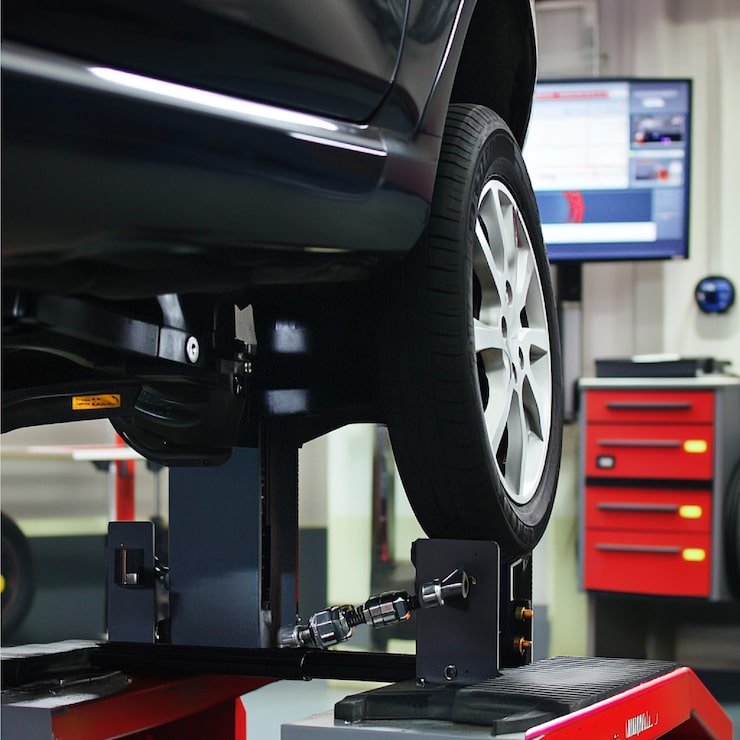
Wheel alignment refers to the adjustment of wheel angles to match manufacturer specifications. When the wheels are properly aligned, the vehicle travels straight with minimal resistance.
When alignment is off, the tires may no longer roll in the same direction. Instead, they can drag slightly against the road surface, creating additional friction. As a result, the engine must work harder to move the vehicle forward.
This extra effort requires more fuel, which can gradually reduce overall fuel economy. While the difference may not be immediately noticeable, the impact becomes more significant over months of regular driving.
Increased Rolling Resistance and Fuel Consumption
One of the primary reasons alignment affects fuel economy is increased rolling resistance.
Rolling resistance is the force that opposes the motion of a tire as it moves along the road. Properly aligned wheels minimize this resistance, allowing the vehicle to travel efficiently.
Misaligned wheels increase resistance because the tires are no longer tracking correctly. Even a slight alignment issue can force the vehicle to expend more energy to maintain speed. The harder the engine works, the more fuel it consumes.
For drivers who spend considerable time commuting or traveling on highways, this increased fuel consumption can add up over time.
Tire Wear Can Also Impact Efficiency
Fuel economy and tire condition are closely connected.
Misaligned wheels often cause uneven tire wear, which can affect how efficiently the tires interact with the road. As tread patterns wear unevenly, rolling resistance may increase further, creating an additional strain on vehicle performance.
Premature tire wear can also lead to earlier tire replacement, increasing overall vehicle ownership costs. Maintaining proper alignment helps ensure tires wear evenly and perform as intended throughout their lifespan.
In this way, wheel alignment contributes to both fuel savings and tire longevity.
Other Benefits of Proper Wheel Alignment
Although improved fuel economy is an important advantage, wheel alignment offers several additional benefits.
Drivers with properly aligned vehicles often experience:
- Better steering control
- Improved vehicle stability
- Smoother handling
- Longer tire life
- Reduced suspension wear
- Greater driving comfort
Because alignment affects multiple aspects of vehicle performance, routine inspections can provide value beyond fuel savings alone.
Keeping the wheels aligned helps ensure that the vehicle operates safely and efficiently under a variety of driving conditions.
Factors That Can Cause Alignment Problems
Wheel alignment does not remain perfect forever. Everyday driving conditions can gradually alter wheel angles and affect vehicle performance.
Common causes of alignment issues include:
- Potholes
- Rough road surfaces
- Construction zones
- Curb impacts
- Suspension wear
- Minor collisions
Kentucky drivers frequently encounter road conditions that can contribute to alignment problems. Even if symptoms are not immediately noticeable, alignment may still be affected.
Periodic inspections help identify small issues before they lead to excessive tire wear or reduced fuel efficiency.
Signs Your Alignment May Need Attention
Several warning signs may indicate that wheel alignment is affecting your vehicle’s performance.
These include:
- Vehicle pulling to one side
- Crooked steering wheel
- Uneven tire wear
- Reduced fuel economy
- Steering instability
If these symptoms appear, a professional inspection can determine whether alignment adjustments are necessary.
Addressing alignment concerns early often helps prevent additional maintenance costs and supports better vehicle efficiency.
Why Preventive Maintenance Matters
Many drivers wait until obvious handling problems develop before scheduling alignment service. However, preventive maintenance is often the most cost-effective approach.
Routine alignment inspections can help identify small changes before they create larger issues. By maintaining proper wheel positioning, drivers can protect their tires, improve fuel economy, and reduce wear on suspension components.
Over time, these benefits may contribute to lower overall ownership costs and a more comfortable driving experience.
Conclusion
Proper wheel alignment plays a larger role in fuel economy than many drivers realize. By reducing rolling resistance and allowing tires to move efficiently, alignment helps the engine operate with less effort and supports better fuel efficiency. In addition, proper alignment promotes even tire wear, improves handling, and contributes to overall vehicle performance.
For drivers seeking Wheel Alignment Lexington KY services, routine alignment maintenance can be a practical way to improve efficiency and protect their investment. While fuel savings may vary depending on driving conditions, keeping wheels properly aligned is an important step toward maximizing vehicle performance and reducing long-term operating costs.