


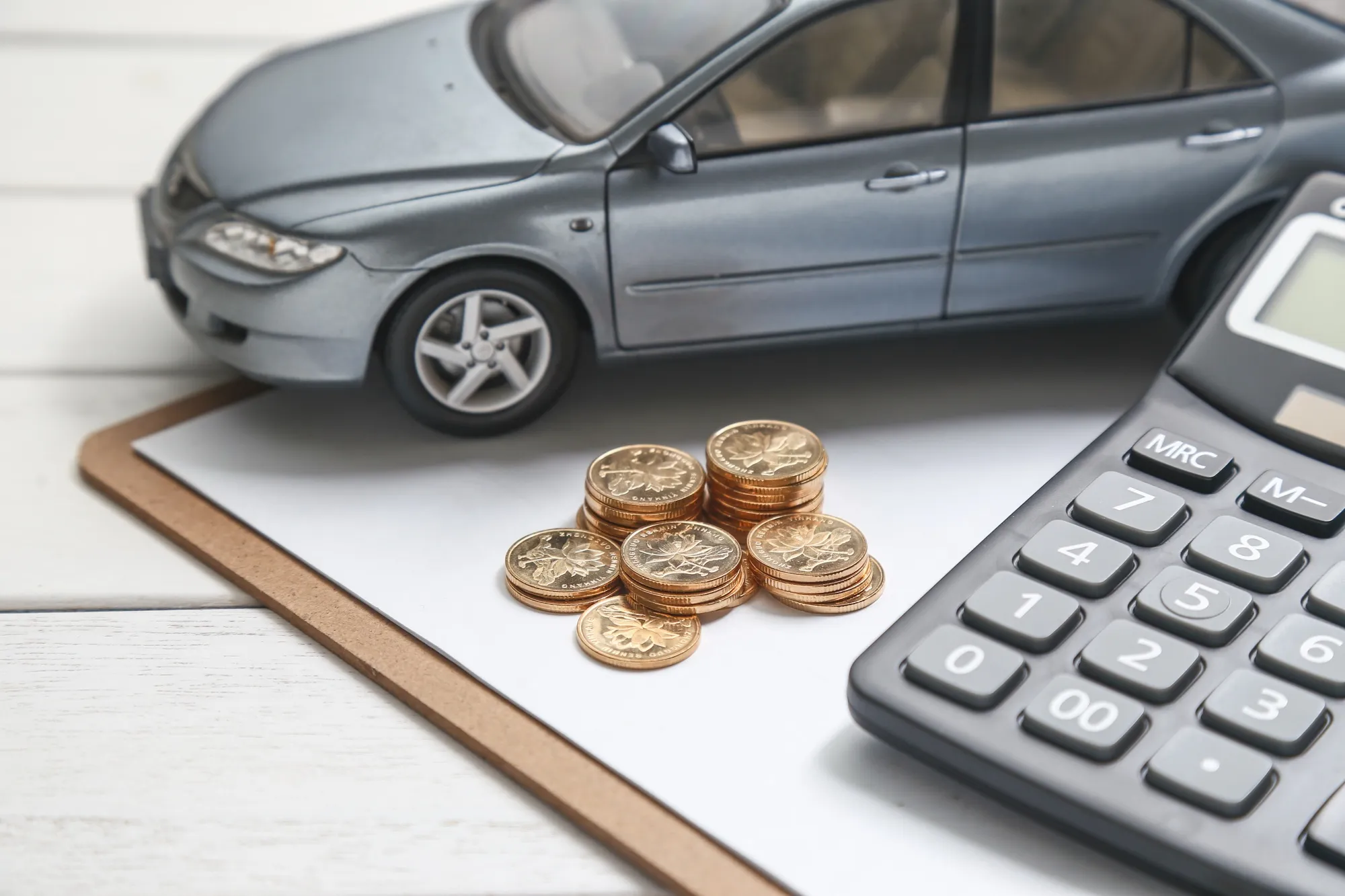
Car accident repair costs can vary dramatically, often leaving vehicle owners surprised by how quickly expenses escalate after even a minor collision. One estimate may suggest a few hundred dollars, while another repair shop quotes several thousand for what appears to be similar damage. This uncertainty makes it difficult for drivers and businesses to plan financially after an accident. Understanding the key variables behind pricing is essential for making informed decisions. This article breaks down the major factors that influence repair costs, explains how estimates are calculated, and shows how tools like a car damage calculator can help set realistic expectations.
Car Accident Repair Cost Factors and Vehicle Damage Assessment
The foundation of any repair estimate lies in the severity and nature of the damage. A professional assessment typically begins with a full inspection of both visible and hidden issues, which directly influences final pricing.
Visible vs. Hidden Damage
Superficial scratches or dents may seem minor, but internal structural damage can significantly increase costs. For example, a bumper impact might also affect sensors or the frame beneath the surface.
Type of Collision Impact
Rear-end, side-impact, or front-end collisions each produce different repair challenges. Front-end damage often involves engine components, making it more expensive compared to cosmetic side repairs.
Accurate evaluation is critical, as even small misjudgments can lead to unexpected repair adjustments later in the process. This is why many professionals rely on diagnostic tools and digital estimators to support initial assessments.
Vehicle Type and Car Damage Calculator Estimates
The type of vehicle involved plays a major role in determining repair expenses, and modern estimation tools such as a car damage calculator help standardize early cost predictions. Luxury vehicles, SUVs, and electric cars generally cost more to repair due to specialized parts and advanced technology systems.
Make, Model, and Manufacturing Complexity
High-end vehicles often require brand-specific components that are more expensive and less readily available. Even labor can be higher due to manufacturer repair standards.
Age of the Vehicle
Older vehicles may have cheaper parts but can present complications due to wear, rust, or discontinued components. In contrast, newer cars often include advanced driver-assistance systems that increase repair complexity.
By inputting basic vehicle details into a car damage calculator, users can obtain a rough estimate that reflects these variations, helping them prepare financially before visiting a repair shop.
Labor Rates and Geographic Cost Differences
Labor costs are one of the most significant contributors to overall repair expenses, and they vary widely depending on location and workshop expertise. Even identical damage can result in different bills based on where the repair is performed.
Regional Pricing Differences
Urban areas typically have higher labor rates due to increased overhead costs, while rural workshops may offer more affordable pricing. For instance, repairs in metropolitan regions often include premium service charges.
Technician Skill Level and Certification
Certified technicians with specialized training in structural repair or electronic diagnostics charge more, but they also ensure higher-quality results and compliance with safety standards.
These variations highlight why two similar accidents can produce very different estimates, reinforcing the importance of comparing multiple repair quotes.
Parts Replacement vs. Repair Decisions in Cost Estimation
A key factor in repair pricing is whether damaged components are repaired or fully replaced. This decision significantly affects both cost and turnaround time.
Repairable Damage
Minor dents, scratches, or paint damage can often be repaired using techniques like panel beating, paint correction, or polishing. These methods are generally more cost-effective.
Replacement Requirements
When structural integrity is compromised or parts are beyond repair, full replacement becomes necessary. Components such as bumpers, headlights, or airbags can significantly increase total costs.
In many cases, insurance companies and repair shops evaluate cost-effectiveness before deciding whether repair or replacement is the better option.
Insurance Coverage and Car Damage Calculator Tools for Estimation
Insurance coverage plays a major role in determining how much a vehicle owner ultimately pays out of pocket. Deductibles, policy limits, and claim approvals all influence final expenses. In this context, a car damage calculator becomes a valuable tool for early financial planning.
Understanding Deductibles and Claims
Policyholders must often pay a fixed deductible before insurance covers the remaining costs. If repair costs are close to the deductible amount, some drivers may choose to pay privately instead of filing a claim.
Role of Digital Estimation Tools
A car damage calculator provides a preliminary cost range based on vehicle type, damage severity, and labor rates. While not a replacement for professional inspection, it helps users make faster decisions about repairs and insurance claims.
Combining insurance knowledge with digital tools improves transparency and reduces financial uncertainty after an accident.
Conclusion
Car repair costs are influenced by a wide range of factors, from the severity of damage and vehicle type to labor rates and insurance policies. Understanding these elements helps vehicle owners make smarter, more confident decisions after an accident. While no estimate is exact without professional inspection, tools like a car damage calculator provide a useful starting point for budgeting and planning. Ultimately, informed evaluation ensures better financial control and reduces stress during an already difficult situation.