


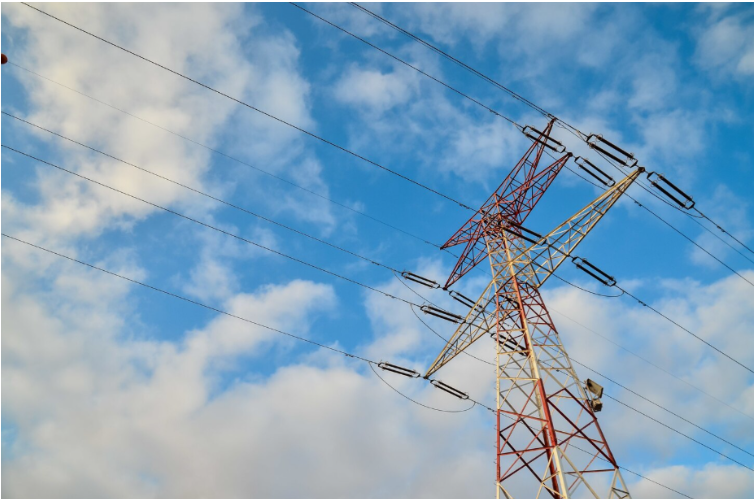
Electric power systems rely on advanced electrical equipment to transmit and distribute electricity efficiently. Among the most important components in these systems are the Power Transformer and the Distribution Transformer.
These devices allow electricity to move safely across large distances while ensuring that voltage levels are appropriate for different applications. Without transformers, modern power grids would not be able to operate efficiently.
What Is a Power Transformer
A Power Transformer is an electrical device designed to transfer electrical energy between circuits using electromagnetic induction. Its main purpose is to increase or decrease voltage levels within power transmission systems.
In large power generation plants, transformers step up the voltage to extremely high levels so electricity can travel efficiently across transmission lines.
By increasing voltage, power transformers reduce energy losses that occur during long distance transmission.
Role of Distribution Transformer in Power Networks
While power transformers are used in transmission systems, a Distribution Transformer operates at the final stage of electricity delivery.
Distribution transformers reduce high transmission voltage to safer levels that can be used in homes, commercial buildings, and industrial facilities.
They are typically installed near residential neighborhoods or commercial zones to supply electricity to local consumers.
Together, power transformers and distribution transformers form the backbone of modern electrical infrastructure.
How Power Transformers Work
The operation of a power transformer is based on electromagnetic induction. A transformer contains two main coils called the primary winding and the secondary winding.
When alternating current flows through the primary winding, it generates a magnetic field inside the transformer core. This magnetic field induces voltage in the secondary winding.
The voltage produced depends on the ratio of turns between the primary and secondary coils.
This simple but powerful principle allows transformers to regulate voltage across electrical networks.
Types of Transformers Used in Power Systems
Several transformer types are used in modern energy infrastructure.
Step Up Power Transformer
A step up Power Transformer increases voltage levels to enable efficient long distance electricity transmission.
These transformers are typically located in power plants and substations.
Step Down Transformers
Step down transformers reduce voltage levels so electricity can be safely used by industries and residential consumers.
Many distribution transformers operate as step down units.
Oil Immersed Transformers
Oil immersed transformers use insulating oil for cooling and electrical insulation. These transformers are commonly used in substations and large power transmission systems.
Dry Type Transformers
Dry type transformers use air or solid insulation instead of oil. They are commonly used in buildings, hospitals, and indoor installations where safety is critical.
Importance of Distribution Transformer
A Distribution Transformer plays a vital role in ensuring stable electricity delivery to consumers.
It ensures that the electricity supplied to homes and businesses operates at safe voltage levels.
These transformers are designed to operate continuously and handle varying load conditions without affecting power quality.
Distribution transformers also help maintain voltage stability within local power networks.
Applications of Power and Distribution Transformers
Both Power Transformer and Distribution Transformer equipment are used across various industries.
They are essential in power plants, substations, renewable energy projects, manufacturing facilities, transportation infrastructure, and data centers.
Renewable energy systems such as solar farms and wind power plants rely on transformers to integrate generated electricity into national power grids.
Large technology facilities such as AI data centers also require stable transformer infrastructure to support continuous operation.
Transformer Manufacturing and Innovation
Modern transformer manufacturing focuses on improving efficiency, reducing energy losses, and enhancing durability.
Advanced monitoring technologies are also being integrated into transformers to detect faults early and improve maintenance efficiency.
Manufacturers are also developing environmentally friendly transformer designs that reduce the use of harmful materials.
These innovations are helping improve the performance of both power transformers and distribution transformers.
Conclusion
The Power Transformer and Distribution Transformer are fundamental components of modern electrical systems. They ensure efficient electricity transmission, safe voltage levels, and reliable power delivery.
From renewable energy installations and substations to residential neighborhoods and industrial facilities, transformers support the operation of modern energy infrastructure.
As global energy demand continues to grow, transformer technology will remain essential for building efficient and sustainable power networks.