


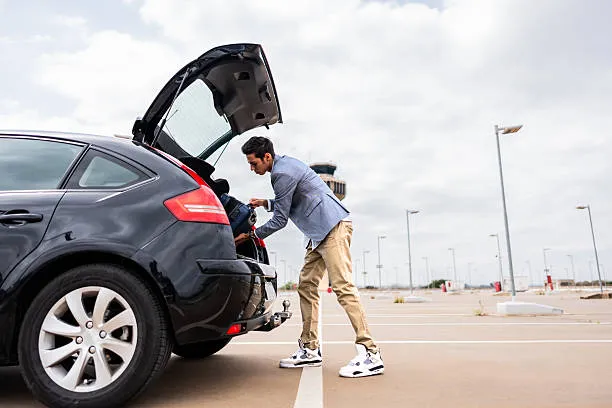
Getting to the airport on time involves more than simply calculating the driving distance from your home to the terminal. Traffic, luggage, check-in, security, and parking can all affect how long your journey takes. When parking is not planned properly, even a routine airport trip can become rushed and frustrating.
Careful airport parking SFO planning can help travelers make better use of their time before departure. Knowing where you intend to park, understanding the route from the parking area to the terminal, preparing your vehicle, and keeping important information accessible can all contribute to a smoother airport routine.
The goal is not necessarily to spend more money for convenience. Instead, effective airport parking SFO planning means choosing an arrangement that fits your schedule and avoiding unnecessary steps that can consume valuable time.
Start With a Clear Departure Timeline
One of the easiest ways to improve your airport routine is to create a realistic timeline before leaving home.
Work Backward From Your Flight
Rather than deciding when to leave home based only on the driving distance, work backward from your scheduled departure.
Consider when you need to arrive at the terminal, then account for check-in, baggage drop, security, walking time, and parking.
For example, your timeline may include:
-
Time needed to drive to the airport
-
Extra time for possible traffic
-
Time to enter the parking facility
-
Time to locate a space
-
Time to unload luggage
-
Time to reach the terminal
-
Check-in and baggage time
-
Security screening
-
Walking to the gate
This approach gives parking its proper place within your travel schedule.
Build a Reasonable Time Buffer
Unexpected delays can occur even when you have planned carefully.
A traffic slowdown, busy parking entrance, misplaced item, or longer-than-expected walk can affect your schedule. Building some flexibility into your timeline can help you deal with these situations without immediately feeling rushed.
Know Your Parking Requirements Before You Arrive
A major time-saving strategy is deciding what you need before reaching the airport.
Consider the Length of Your Stay
The duration of your trip can influence which parking arrangement is practical.
For a short trip, you may prioritize quick access and simplicity. For longer travel, the overall cost and suitability of the parking arrangement may become more important.
Knowing your expected parking duration lets you compare options based on the entire stay instead of making a rushed decision after arriving.
Consider Your Vehicle
Your vehicle can also influence your parking choices.
If you drive a larger SUV, van, truck, or a vehicle with additional equipment, check applicable height or size restrictions before choosing a parking facility.
Taking a few minutes to verify these details in advance can prevent you from arriving at a location that does not accommodate your vehicle.
Organize Your Parking Information in Advance
Searching for parking details while driving or rushing through the airport can waste valuable time.
Save Important Details on Your Phone
If you have arranged parking in advance, keep your confirmation information readily available.
Depending on your parking arrangement, you may need information relating to your reservation, entry procedure, payment, or other instructions.
Saving these details in an easily accessible location can make the arrival process more straightforward.
Keep a Backup Available
Although your phone may be your primary source of information, it is useful to know the essential details without having to search through multiple emails or applications.
Consider keeping the most important parking information in a note that can be accessed quickly.
The simpler it is to retrieve the information, the less time you are likely to spend looking for it.
Choose a Route With Parking in Mind
Your route to the airport should account for more than the terminal entrance.
Identify the Correct Parking Access
Airports can have multiple roads, entrances, and parking facilities.
Before leaving, make sure your navigation directions take you toward the parking area you intend to use rather than simply directing you toward the general airport terminal area.
A small amount of preparation can prevent unnecessary circling or backtracking after you arrive.
Avoid Unnecessary Detours
If you already know your preferred parking location, follow a route that takes you directly toward it.
Entering the wrong area can result in additional driving and lost time, particularly in a large airport environment.
Review your route before starting your trip so you know which entrance or direction you need.
Prepare Your Vehicle Before Departure Day
Another effective way to save time is to move vehicle preparation away from the actual departure morning.
Handle Small Tasks in Advance
Check your fuel or battery level before leaving for the airport. Make sure your tires appear properly inflated and address any obvious vehicle issues ahead of time.
If you need to clean out the vehicle, organize luggage, or remove unnecessary belongings, complete those tasks before departure day whenever possible.
The fewer things you need to handle immediately before your flight, the more predictable your morning can be.
Keep Essential Items Out of the Vehicle
Before parking, make sure important travel items are with you.
Passports, identification, travel documents, medications, electronics, and other essential belongings should not be accidentally left behind.
A quick final check before walking away can prevent you from having to return to the vehicle.
Make Luggage Handling More Efficient
Luggage can add unexpected time to your airport routine.
Organize Bags Before You Leave
Pack your luggage in a way that makes it easy to remove from the vehicle.
If you are traveling with multiple bags, decide beforehand which items you will carry personally and which will be checked.
Having an organized luggage plan can reduce the amount of time spent rearranging bags after parking.
Consider Your Travel Group
If you are traveling with family members, make sure everyone knows what they are responsible for carrying.
Assigning bags before arriving at the airport can make the transition from vehicle to terminal more efficient.
This is particularly useful when traveling with children or larger groups.
Record Your Parking Location Immediately
Finding your vehicle after a trip can take longer than expected if you rely on memory.
Take a Quick Photo
As soon as you park, take a photo of the surrounding signs, level, section, or row.
A visual reference can be more useful than trying to remember a parking location several days later.
Write Down the Details
If the parking facility uses specific space numbers or section identifiers, save them on your phone.
This small step takes less than a minute but can save significant time when you return.
Avoid Making Decisions While Rushing
One of the biggest causes of wasted time is making important decisions after arriving at the airport.
Decide Before You Drive
Where possible, determine your parking preferences before leaving home.
Think about:
-
How much you are willing to spend
-
How long you will park
-
How much walking is comfortable
-
Whether your vehicle has special requirements
-
How much luggage you have
-
How much convenience you want
Having these decisions made in advance allows you to focus on following your plan.
Keep Your Plan Flexible
Planning does not mean you need to follow a rigid schedule.
Traffic conditions, flight changes, and other circumstances may require adjustments. A good plan gives you a starting point while leaving enough flexibility to respond to unexpected situations.
Use Waiting Time Productively
Some parts of airport travel cannot be controlled, but preparation can make unavoidable waiting less disruptive.
Complete Checklists Before Arriving
Do not wait until you are parked to remember whether you packed your identification, charger, or travel documents.
Use a checklist before leaving home.
For example:
-
Flight details confirmed
-
Identification packed
-
Luggage ready
-
Parking information saved
-
Vehicle prepared
-
Navigation route checked
-
Phone charged
-
Essential belongings accounted for
Completing these tasks beforehand helps keep your airport arrival focused.
Plan for Your Return Journey Too
Efficient parking planning should cover the entire trip.
Make Vehicle Retrieval Simple
When you return, you may be tired, carrying luggage, and eager to get home.
Having your parking location saved means you do not need to spend time searching for your vehicle.
If your return flight is delayed or your itinerary changes, keep your parking information accessible so you can review the applicable details.
A Quick Time-Saving Airport Parking Routine
A simple routine can make parking more efficient.
Before leaving home:
-
Confirm your flight information.
-
Decide where you intend to park.
-
Review parking requirements.
-
Prepare your vehicle.
-
Organize luggage.
-
Save parking information.
-
Check your route.
-
Leave enough time for traffic and airport procedures.
After arriving:
-
Follow the planned route.
-
Park in the appropriate area.
-
Collect all essential belongings.
-
Lock your vehicle.
-
Record your parking location.
-
Take a photo of nearby signs.
-
Continue toward the terminal.
This routine keeps unnecessary decisions out of the most time-sensitive part of your journey.
Conclusion
Saving time with airport parking SFO starts before you enter the airport. The most effective strategy is to make decisions early, understand your parking requirements, organize your vehicle and luggage, and create a realistic departure timeline.
With airport parking deals, you can keep your parking plans organized as part of your overall travel itinerary. Parking influences how smoothly you move from your vehicle to the terminal and, after your flight, how easily you can get back to your car.
By planning your route, keeping parking information accessible, recording your space, and allowing enough time for unexpected delays, you can make the process more predictable. A few minutes of preparation at home can eliminate unnecessary decisions and help you arrive at the terminal feeling more organized.
When every part of your airport routine has been considered in advance, parking becomes one less thing to figure out on an already busy travel day.