


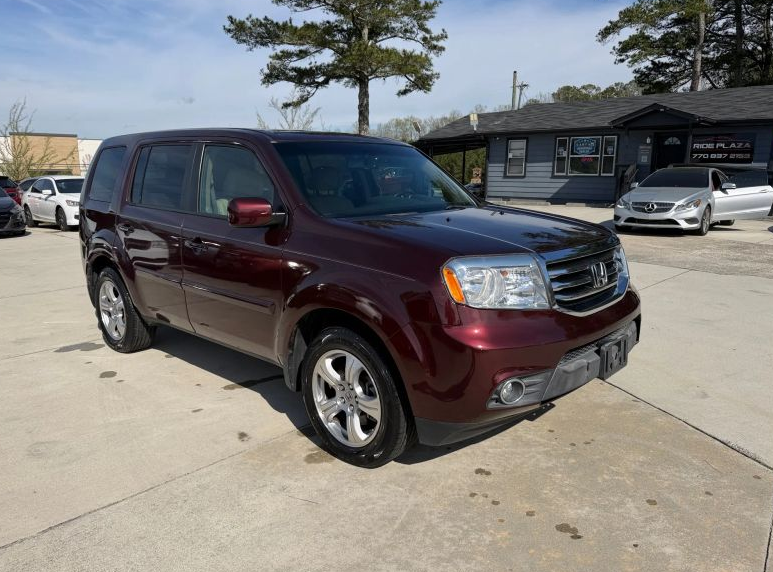
People searching for used cars for sale usually start with a rough idea, then things get messy after seeing too many choices online. Prices jump around without clear reasons sometimes, and that creates doubt quickly. One listing feels right, then another looks slightly better, and suddenly nothing feels certain anymore. This back and forth is common and, honestly, part of the process.
Looking beyond surface details actually matters more
When window shopping, used automotive sales, most consumers pay too much attention to such visible parts as paint, wheels, or infotainment systems. These things look important, but they do not define long-term usability. The engine condition, service record and repairs done on the car are far more indicative of the actual dependability of the vehicle. This is usually followed by unnecessary problems in the future due to the disregard of such details.
Online listings feel complete, but rarely are
When viewing used cars on sale, it seems that they have all the information required. Photos, specs, and brief descriptions create an impression of transparency, but the list hardly exhausts. Minor issues, historical accidents or broken parts may not be mentioned directly. This does not necessarily imply lying, but it implies that you need to check it out yourself.
Market variation creates unexpected price differences
When listing used auto sales in various regions, the prices could change without an apparent reason. The identical model could be relatively more or less expensive, depending on the regional demand or the urgency of the seller. This difference can mislead the customers who want to find the same prices everywhere. It assists in making comparisons of various sources before assuming whether a deal is good or bad.
Inspection habits separate careful buyers from rushed ones
Individuals who take the time to check used cars being sold are normally spared from major mistakes that they regret later. Simple yet significant measures will be checking under the hood, listening to engine sounds, and observing driving behavior. These steps may save time in the short run, but can cause greater problems in the long-run. An approach of caution always brings clarity.
Paperwork often gets less attention than it should
With most used car sales, buyers are an afterthought and pay little attention to documentation, but primarily to the car itself. The records of registration, ownership history and service records should be verified every time. Such information may be tedious, yet it has a direct influence on the experience of ownership in the future. The absence of something, in this case, may make things difficult.
Seller communication gives subtle, useful signals
Dreaming about used cars for sale cannot just demonstrate the responses to direct questions. Their manner of response, clarity in explaining details and avoiding certain topics are all important. These indicators are used to determine the level of transparency of the deal. Listening in this case can avoid misinterpretations in the future.
Pricing discussions need logic, not emotion
Negotiating the sale of a used car should not be done based on assumptions but on facts. Real-life problems, such as tire wear or maintenance in the future, are more convincing. Emotional bargaining rarely works effectively and can even close opportunities. A calm, informed approach tends to produce better outcomes.
Conclusion
Buying a used vehicle often feels uneven because there are too many variables involved at once. rideplaza.com can be used as a starting place for browsing options, but final decisions depend on how carefully each detail is checked. Looking at the condition, verifying documents, and comparing multiple listings all help reduce uncertainty. Avoid rushing into decisions based only on appearance or price. Take a structured approach even if the process feels unstructured, and move forward with clarity. Start exploring your options today and make a well-informed purchase choice.