


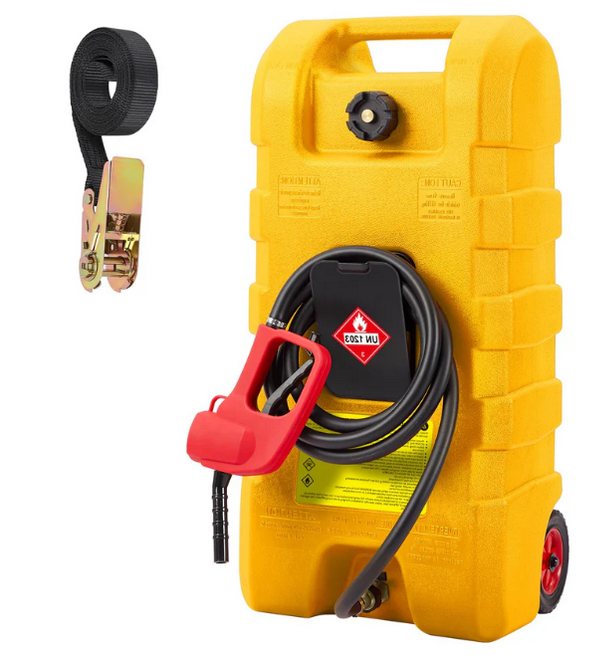
Refueling equipment may look simple, but anyone who manages vehicles, lawn machines, generators, boats, ATVs, or workshop tools knows how quickly it can become messy, slow, and risky. Spilled fuel, heavy containers, poor storage habits, and repeated trips to the gas station can all create problems. This is where better fuel storage solutions become important. A well-designed caddy gives users a safer way to store, move, and dispense fuel without relying on small cans that are difficult to lift and pour. For garages, farms, auto shops, and property owners, choosing the right garage fuel equipment can improve daily workflow while reducing unnecessary hazards. A quality fuel caddy is not just a storage container; it is a practical refueling system built for convenience, control, and cleaner operation.
The Safety Challenges of Traditional Refueling
Many people still use small fuel cans for equipment refueling. While they may work for occasional use, they are not always the safest or most efficient option for frequent tasks. Lifting a heavy can, balancing it near a fuel opening, and trying to pour without splashing can lead to spills and fumes.
Common refueling problems include:
-
Fuel spilling onto floors, soil, or equipment surfaces
-
Strain from lifting heavy containers
-
Poor control while pouring
-
Increased vapor exposure in enclosed spaces
-
Fuel contamination from open or poorly sealed containers
-
Wasted time moving between storage areas and equipment
For automotive garages, repair shops, landscaping businesses, and home workshops, these problems can become part of the daily routine. Over time, poor refueling habits may create safety risks and reduce productivity.
A caddy helps solve many of these issues by combining storage, mobility, and controlled dispensing in one unit.
How a Fuel Caddy Improves Refueling Efficiency
Efficiency matters whenever equipment needs fuel regularly. A mower, generator, boat motor, ATV, tractor, or shop vehicle may require fuel at inconvenient times. Carrying several small cans is not ideal, especially when the machine is located far from the fuel source.
A caddy makes the job easier because it can usually hold more fuel than a standard can and can be rolled to the equipment. This reduces unnecessary lifting and repeated trips. Many models also include hoses, pumps, wheels, and nozzles that make dispensing smoother.
Instead of stopping work to refill multiple containers, users can keep fuel closer to where it is needed. This is especially valuable for:
-
Auto repair shops
-
Farms and rural properties
-
Landscaping crews
-
Marine maintenance areas
-
Home garages
-
Construction sites
-
Outdoor power equipment users
In these settings, a portable fuel tank can save time while making refueling more predictable and controlled.
Fuel Storage Solutions for Garages and Workshops
A garage often contains vehicles, tools, chemicals, batteries, chargers, paints, and other materials. Adding fuel to that environment requires careful planning. Good fuel storage solutions should help keep fuel organized, sealed, and easy to access without increasing clutter.
A caddy can support better garage organization by giving fuel a dedicated place. Instead of several small cans scattered around the floor, fuel can be stored in one mobile container designed for the job. This creates a cleaner workspace and reduces the chance of accidental knocks, leaks, or misplaced containers.
For a professional workshop, organized storage also improves workflow. Technicians can refuel equipment without searching for cans or asking where fuel is stored. In a home garage, the same benefit applies to homeowners who maintain lawn mowers, snow blowers, generators, or recreational vehicles.
The goal is not just storage. It is safer, cleaner, and more practical fuel handling.
Why Mobility Matters in Garage Fuel Equipment
Mobility is one of the biggest advantages of modern garage fuel equipment. Fuel is heavy, and even a small container becomes awkward when full. A caddy with wheels and a handle makes fuel easier to move without unnecessary strain.
This matters for both safety and convenience. When users do not have to lift and tilt a heavy can, they are less likely to spill fuel or injure themselves. A hose and nozzle also allow better positioning, especially when refueling machines with awkward fuel caps.
A mobile caddy is useful when refueling:
-
Lawn tractors and riding mowers
-
ATVs and UTVs
-
Boats and small marine engines
-
Generators
-
Motorcycles
-
Shop vehicles
-
Construction and farm equipment
With a portable fuel tank, users can bring fuel to the machine instead of bringing the machine to the fuel. That simple change can make a major difference in day-to-day operations.
Better Control Means Less Waste
Fuel spills are more than an inconvenience. They waste money, create odors, damage surfaces, and may increase fire risk. Controlled dispensing is one of the most important reasons to use a caddy instead of a basic container.
Many caddies are designed with transfer pumps, hoses, and nozzles that allow a steadier flow. This helps users stop when the tank is nearly full and avoid overflow. Better control also keeps fuel away from hot engine parts, painted surfaces, tires, and garage floors.
Less waste means better cost management. For businesses that fuel equipment often, even small spills can add up over time. Cleaner refueling also reduces the time spent wiping down equipment or cleaning floors after every fill-up.
Choosing the Right Portable Fuel Tank
Not every caddy is the same, so choosing the right option depends on how it will be used. A homeowner may only need enough capacity for lawn equipment and emergency generator fuel. A shop, farm, or marine user may need a larger system for frequent refueling.
Before selecting a portable fuel tank, consider:
-
Fuel type compatibility, such as gasoline, diesel, or kerosene
-
Tank capacity based on refueling frequency
-
Wheel quality for smooth movement
-
Hose length for convenient access
-
Pump type, including manual or electric options
-
Material durability
-
Storage location and available space
-
Safety features such as caps, vents, gauges, or grounding options
For users comparing different options, browsing a collection like fuel caddy models can help identify what size, design, and features fit their refueling needs.
Reducing Physical Strain During Refueling
Lifting fuel containers is not only tiring; it can also be unsafe. A full container may be difficult to balance, especially for older users or workers who refuel equipment several times a week. If the container slips, fuel can spill onto clothing, floors, or hot surfaces.
A caddy reduces this strain by allowing users to roll the fuel to the equipment. The hose does most of the positioning work, while the pump controls transfer. This creates a more ergonomic process.
For businesses, reducing strain can help improve workplace safety. For homeowners, it makes routine maintenance less frustrating. This is one reason many people upgrade from small cans to better garage fuel equipment once their fuel needs become more frequent.
Cleaner Storage Supports Equipment Care
Fuel quality matters. Dirt, water, and debris can affect engines and fuel systems. Poorly sealed containers may allow contamination, especially when stored in dusty garages, sheds, barns, or outdoor work areas.
A dedicated caddy can help keep fuel cleaner when properly used and maintained. A sealed tank, clean hose, and controlled nozzle reduce unnecessary exposure. This supports better equipment performance and may help reduce avoidable fuel-related issues.
Clean storage habits include:
-
Keeping the tank capped when not in use
-
Storing fuel away from heat sources
-
Using the correct fuel for each machine
-
Cleaning the nozzle and hose as needed
-
Avoiding old or contaminated fuel
-
Checking local rules for fuel storage limits
Good storage habits and reliable fuel storage solutions work together to protect both people and equipment.
Safety Tips for Using a Fuel Caddy
Even the best equipment must be used responsibly. Fuel is flammable, and safe handling should always be the priority.
Follow these practical safety tips:
-
Refuel only when engines are cool
-
Keep fuel away from sparks, flames, and electrical hazards
-
Use fuel in a well-ventilated area
-
Store the caddy upright on a stable surface
-
Do not overfill equipment tanks
-
Wipe up spills immediately
-
Keep children and pets away from storage areas
-
Follow the manufacturer’s instructions
-
Use only approved fuel types
For professional environments, staff should also be trained on safe refueling procedures. A caddy improves safety, but proper handling is still essential.
Conclusion
A caddy is a practical upgrade for anyone who refuels equipment regularly. It improves safety by reducing spills, lifting strain, and uncontrolled pouring. It also saves time by making fuel easier to move, store, and dispense. Whether used in a home garage, auto shop, farm, marina, or landscaping operation, the right setup can make everyday maintenance smoother and cleaner. Strong fuel storage solutions are not about storing more fuel without care; they are about storing and transferring fuel in a more organized, controlled, and responsible way. When paired with safe habits and the right garage fuel equipment, a caddy can help users protect their workspace, equipment, and time while making refueling far more efficient.
FAQ
1. What is a fuel caddy used for?
A fuel caddy is used to store, move, and dispense fuel for vehicles, generators, lawn equipment, boats, ATVs, and other machines. It helps make refueling easier and more controlled than using small fuel cans.
2. Is a portable fuel tank better than a regular gas can?
A portable fuel tank is often better for frequent refueling because it usually offers higher capacity, easier mobility, and more controlled dispensing. A regular gas can may be fine for occasional use, but it can be less convenient for larger equipment.
3. Can fuel caddies be used in a home garage?
Yes, many homeowners use caddies as part of their garage fuel equipment setup. They are helpful for refueling lawn mowers, generators, motorcycles, and recreational vehicles. Always store fuel safely and follow local regulations.
4. How do fuel storage solutions improve safety?
Good fuel storage solutions reduce spills, limit clutter, improve fuel organization, and make dispensing more controlled. They also help keep fuel away from unsafe areas when used properly.
5. What should I look for when buying a fuel caddy?
Look for the right capacity, durable materials, fuel compatibility, strong wheels, a reliable hose, an easy-to-use pump, and safety features such as proper caps, gauges, and vents.