


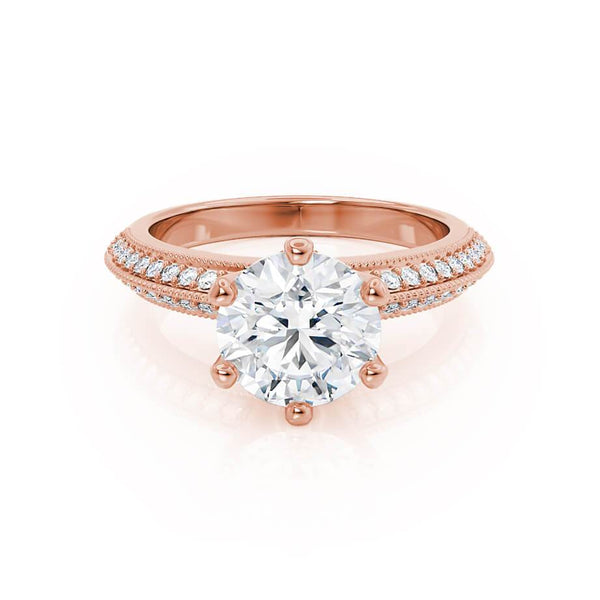
In a world where excess and complexity can often overwhelm, the appeal of refined simplicity in design has never been more relevant. Whether it’s fashion, interiors, or graphic design, the minimalist approach continues to lead the charge, offering clean lines, purposeful layouts, and an overall sense of harmony. This approach not only provides a visual sense of calm but also emphasizes the importance of thoughtful design that prioritizes function without compromising aesthetics. A brand that embodies the spirit of simplicity in its design ethos is lily arkwright, which has earned recognition for its refined and elegant pieces that strike the perfect balance between minimalism and luxury.
Refined simplicity in design isn’t a fleeting trend but rather a reflection of a broader cultural shift towards efficiency, sustainability, and mindfulness. In a world constantly bombarded by information, distractions, and excess, there’s a growing desire for quiet spaces and products that serve both practical and emotional needs. Minimalism provides an escape, offering a chance to disconnect from the chaos and engage with designs that are not only beautiful but also purposeful. This simplicity allows the user or viewer to focus on the core of the design, whether it’s a product, a space, or a piece of artwork, rather than being overwhelmed by unnecessary details or ornamentation.
The increasing popularity of minimalism is also closely tied to the rise of sustainable design practices. As awareness of environmental issues grows, many designers are choosing to create products that not only look good but are made with longevity and sustainability in mind. By reducing waste, using fewer materials, and embracing simple, timeless designs, designers can contribute to a more sustainable future. In this context, refined simplicity is not just an aesthetic choice, but a thoughtful approach to creating products and spaces that stand the test of time.
In the digital world, the concept of simplicity is equally important. Website and app designs are increasingly favoring clean layouts, user-friendly interfaces, and intuitive navigation. Users now demand efficiency and ease of use, which makes minimalistic design the perfect solution. Cluttered websites with overwhelming graphics or confusing layouts are quickly abandoned, while simple, straightforward interfaces keep users engaged. The refined simplicity of a well-designed website creates an experience that’s smooth and enjoyable, enhancing user satisfaction and fostering brand loyalty.
Fashion, too, has embraced the power of simplicity. Designers are moving away from excess embellishments, opting instead for clean cuts, neutral colors, and refined detailing. In fashion, the beauty of simplicity lies in its versatility—it transcends trends and can be worn across seasons. This shift is part of a larger cultural movement that values quality over quantity and encourages consumers to invest in fewer, better pieces that offer long-term value.
In architecture, the trend towards minimalism is reshaping the way spaces are designed. Open floor plans, natural materials, and a focus on light and space are all hallmarks of refined simplicity in modern architecture. The goal is to create environments that feel expansive and uncluttered, promoting mental clarity and well-being. These spaces are designed to be functional and comfortable without being overbearing, allowing the user to enjoy a sense of tranquility within their surroundings.
While refined simplicity may seem like a rejection of more ornate, complex designs, it is, in fact, a celebration of intention and purpose. Every element in a minimalist design has a reason for being, contributing to a cohesive whole. Whether it’s the elegance of a finely crafted piece of jewelry or the serenity of a minimalist living room, the beauty of simplicity lies in its ability to highlight what truly matters—quality, functionality, and the thoughtful consideration of every detail.
In conclusion, refined simplicity continues to dominate design trends because it reflects our current cultural moment: a desire for clarity, purpose, and sustainability in every aspect of our lives. Whether in fashion, architecture, or graphic design, the minimalist approach offers a timeless appeal that resonates with modern sensibilities. As more people seek out designs that are both beautiful and functional, the influence of simplicity is likely to grow even stronger, shaping the future of design in profound and meaningful ways.