


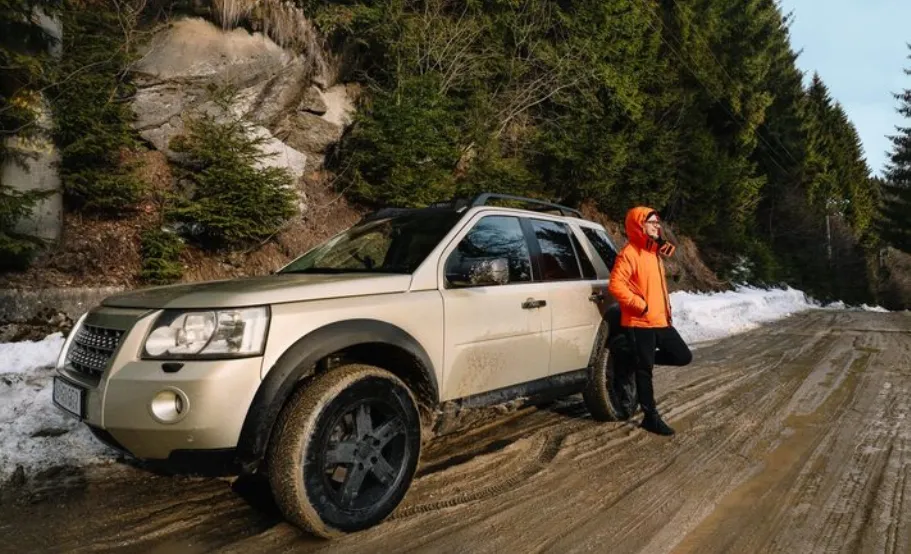
Trail driving wears a vehicle down in ways a daily commute never does. Rocks kick up, branches scrape past mirrors, and the front end absorbs most of it before anything else even gets close. A ford everest steel bulbar exists specifically for that reality, built to take repeated hits without the panel damage that stock bumpers accumulate after just a few serious trips.
Durability isn’t really about a single dramatic impact, though those happen too. It’s more about the slow accumulation of small knocks over months of regular trail use, the kind that eventually cracks plastic and dents thin sheet metal if nothing tougher is standing in front of it first.
What Armor Actually Protects Against
Trail damage rarely announces itself in advance. A rock ledge appears where the track narrows, or a low branch catches the mirror on a tight corner nobody warned you about. Front armor absorbs these hits instead of letting them reach the radiator or headlight housings underneath.
There’s also the slower kind of wear, dust intrusion, UV fading, corrosion from creek crossings that soak the undercarriage. Quality armor resists all of that better than factory plastic ever could, holding its shape and finish across years of use rather than degrading within a single tough season.
Steel Construction And Impact Strength
Steel remains the benchmark for serious trail use, and for good reason. It absorbs impact energy without shattering, which matters enormously when the alternative is a cracked bumper miles from the nearest workshop with no phone signal to call for help.
A toyota hilux steel bulbar built from quality steel also holds its shape after a hit, rather than deforming permanently the way cheaper materials sometimes do. That resilience means fewer replacements over the vehicle’s life, even for drivers who genuinely push their rig hard on difficult terrain.
Corrosion Resistance Over Time
Trail vehicles see mud, creek crossings, and salt spray on coastal routes, sometimes all in the same weekend trip. Cheap coatings fail under that kind of repeated exposure, bubbling and rusting within a season or two if moisture finds its way underneath the finish.
Better manufacturers use multi stage coating processes specifically designed to resist this kind of punishment for years rather than months. Checking the coating warranty separately from the structural warranty gives a decent clue about how confident the maker actually is in their own finishing process.
Mounting Points For Recovery Gear
Trail armor earns extra value through what it lets you attach safely. Rated recovery points built into the bar itself mean a stuck vehicle can be winched or snatched out without risking damage to unrated factory tow points never designed for that kind of load.
Planning for recovery gear before purchase makes sense, since not every bar includes properly rated points as standard. Some require add on kits, others build them in from the start, and knowing which you’re getting avoids an unpleasant discovery mid recovery when it matters most.
Weight Considerations For Trail Rigs
Heavier armor changes how a vehicle handles technical terrain, particularly on steep climbs or tight switchbacks where every bit of front end weight affects the approach angle and overall balance.
Some trail drivers accept this tradeoff without hesitation because protection matters more to them than agility. Others choose lighter alloy options specifically to preserve handling on technical tracks, accepting slightly less brute strength in exchange for a nimbler, more responsive front end overall.
Long Term Value For Serious Drivers
Quality armor costs more upfront than a basic aftermarket option, there’s no getting around that reality. But the math tends to favour it anyway once you factor in avoided repairs and the resale value a well maintained rig retains over time.
Vehicles fitted with quality protection also tend to hold resale value better, since buyers recognise a well cared for rig even at a glance. That difference alone often covers a meaningful chunk of the original cost by the time the vehicle eventually changes hands.
Conclusion
Trail driving rewards vehicles built to handle repeated punishment, and front armor sits at the center of that durability. Material choice, coating quality, and recovery point ratings all factor into how well a rig holds up over years of real use.
Drivers wanting gear built for genuine trail conditions should check reconbullbar.com.au before their next upgrade. Investing in the right protection now saves both money and downtime once the terrain actually starts testing the vehicle properly.